Author name: admin

News

WSJI Conducts Rapid Needs Assessment in Balcad IDP Sites, Identifies Urgent Humanitarian Needs

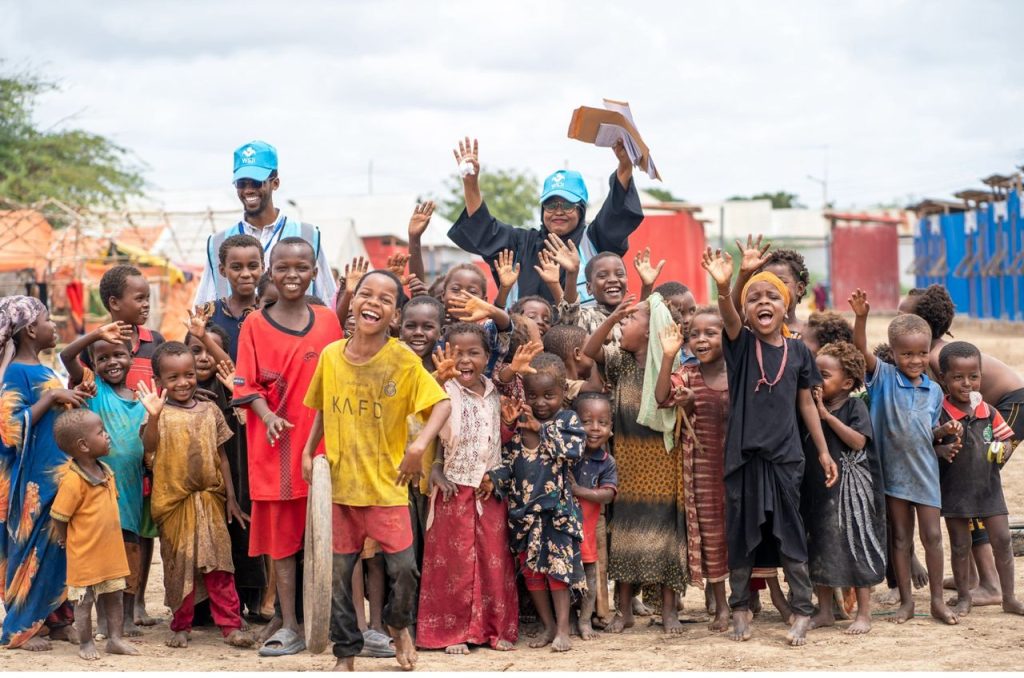
Balcad, Somalia – The Women’s Safety and Justice Initiative (WSJI) has conducted a rapid needs assessment in two IDP sites in Balcad district, identifying the urgent humanitarian needs of displaced families from Damaley, Faduma dhuxul, Kooreebe Bari, Buula Xaaji Cali, Mukadheere, Banaaney, Buula Sheekh, yaaqle, Shanlow, and Shagaxow.   The assessment, conducted from July 25th, found that an estimated 19,500 individuals (3,250 households) have been impacted by the conflict in these areas, with around 4,880 individuals (815 households) displaced to Balcad district. The displaced families are currently residing in the Gargaarone and Gargaar two IDP sites, as well as integrated within the host community in Balcad.   “The situation for these displaced families is dire, with limited access to basic services such as food, water, sanitation, healthcare, and education,” said WSJI Program Manager, Fatima Abdi. “Our assessment has highlighted the urgent need for humanitarian assistance to ensure the wellbeing and safety of these vulnerable communities.” Key findings from the assessment include: 815 households (4,890 individuals) are displaced and residing in Balcad district with limited access to basic services Over 600 displaced children lack access to education, with two learning institutions opened in Balcad to accommodate them 90% of children and pregnant/lactating women lack access to immunization and vaccination services 80% of IDPs lack treated mosquito nets, increasing their vulnerability to malaria and other vector-borne diseases Shelter, privacy, and security concerns are prevalent, with damaged shelters and community centers across the IDP sites   Based on these findings, WSJI is calling for urgent humanitarian assistance to address the critical needs of food, water, sanitation, healthcare, education, nutrition, and protection for the affected populations. The organization is also advocating for stronger partnerships and commitment from donors, the government, and humanitarian actors to end violence against women and girls in Somalia. “This crisis has had a devastating impact on vulnerable women and children,” said WSJI Executive Director, Amina Hassan. “We must act now to provide lifesaving assistance and work towards sustainable solutions that prevent such crises from occurring in the future.”   WSJI is working closely with local authorities, community leaders, and other stakeholders to coordinate the response and ensure the effective delivery of humanitarian aid to the displaced families in Balcad.  
News

WSJI recently visited the Balcad community

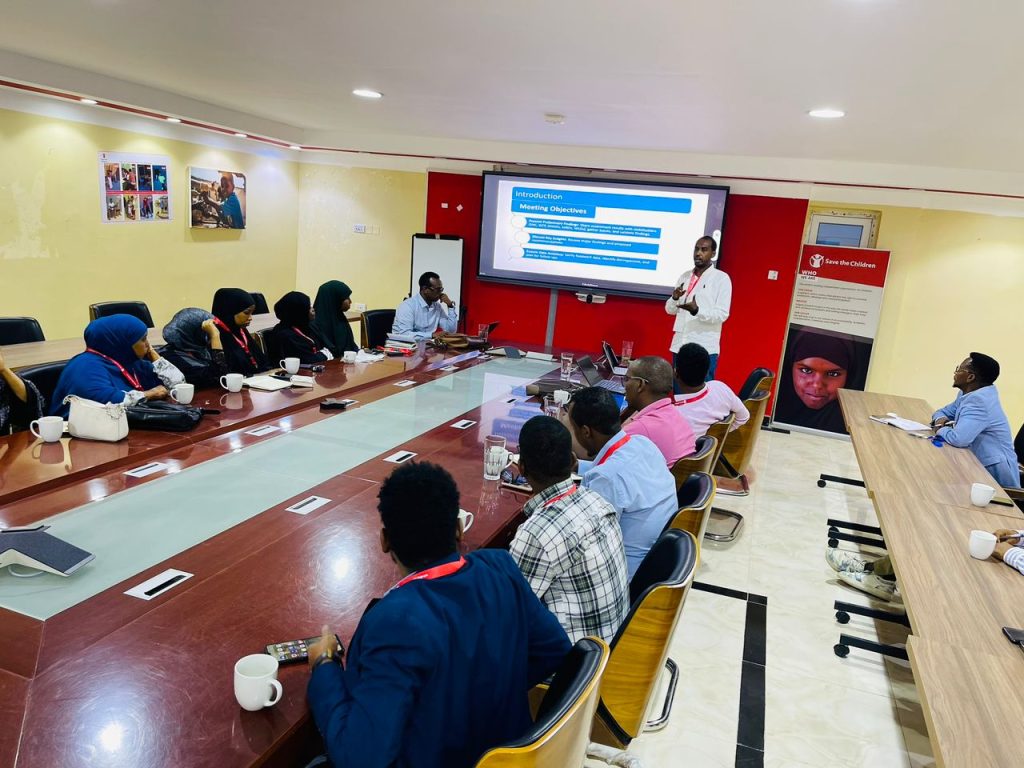
The Women’s Safety and Justice Initiative (WSJI) recently visited the Balcad community to engage with local leaders, women’s groups, service providers, and community members. Our goal was to raise awareness on important issues and conduct a comprehensive needs assessment to better understand the challenges and priorities of the community.   Through a series of interactive dialogues and workshops, we had the opportunity to connect with over 200 participants and facilitate open discussions on topics that are crucial for the well-being and empowerment of women and girls. The response from the community was overwhelming, and we are grateful for their willingness to share their experiences and insights.   In addition to the awareness-raising efforts, we also met with key stakeholders to gain a deeper understanding of the existing support systems and identify areas where the WSJI can collaborate to address the community’s needs. The feedback and information gathered during these meetings will be invaluable as we work to develop and implement tailored, community-driven initiatives.   The WSJI is committed to standing alongside the Balcad community and supporting them in their journey towards a more just and equitable future. We will continue to work hand-in-hand with local partners to expand access to vital resources, strengthen support networks, and empower women and girls to reach their full potential.   Together, we can create positive and lasting change. The WSJI is honored to be a part of this effort, and we look forward to our continued partnership with the Balcad community.

Articles

Addressing the Epidemic of Violence and Harassment Against Women Introduction

Violence and harassment against women is a pervasive global issue that affects millions of women and girls every day. From domestic abuse to workplace harassment to online threats, women face disproportionate levels of violence and violation of their basic rights. This article will explore the scope of this problem, its root causes, and critical steps that must be taken to address this epidemic.   The Scope of the Problem Data from the World Health Organization (WHO) shows that approximately 1 in 3 women worldwide have experienced physical and/or sexual violence in their lifetime. This includes intimate partner violence, sexual assault, trafficking, and other forms of abuse. The rates are even higher for marginalized groups of women, such as those living in conflict zones, with disabilities, or from ethnic minority backgrounds. The impacts of this violence are devastating, leading to physical injuries, mental health issues, economic hardship, and even death in the most extreme cases. Beyond the direct victims, violence against women also has broader societal costs in terms of lost productivity, increased healthcare demands, and the perpetuation of harmful gender norms.   Root Causes and Contributing Factors The pervasiveness of violence and harassment against women is driven by deep-seated gender inequalities, harmful social norms, and power imbalances in society. Patriarchal structures, rigid gender stereotypes, and the normalization of violence all play a role in creating an environment where women are seen as subordinate and vulnerable. Other contributing factors include economic insecurity, weak legal protections, lack of access to support services, and the normalization of violence in media and popular culture. Intersecting forms of discrimination, such as racism and ableism, further compound the risks faced by marginalized women . Strategies for Change Addressing the epidemic of violence and harassment against women requires a multi-pronged approach that tackles the problem at individual, community, and societal levels. Key strategies include:   Strengthening Legal Frameworks and Enforcement: Enacting and enforcing comprehensive laws that protect women’s rights, provide recourse for victims, and hold perpetrators accountable. Transforming Social Norms: Implementing public awareness campaigns, educational initiatives, and community-based programs to challenge harmful gender stereotypes and the normalization of violence. Improving Access to Support Services: Ensuring survivors have access to comprehensive, trauma-informed support services, including medical care, mental health resources, safe housing, and economic assistance. Empowering Women and Girls: Investing in programs that promote women’s economic independence, leadership, and decision-making power, as well as comprehensive sexuality education for youth. Engaging Men and Boys: Involving men and boys as allies in the fight against gender-based violence through targeted outreach, education, and programming. Strengthening Data Collection and Research: Improving the collection and analysis of data on the prevalence, causes, and impacts of violence against women to inform evidence-based policymaking and interventions.   Conclusion The epidemic of violence and harassment against women is a complex, global issue that requires a comprehensive, multi-stakeholder response. By addressing the root causes, strengthening legal and support systems, and transforming harmful social norms, we can work towards a future where all women and girls can live free from fear and violence. This is not only a moral imperative, but a crucial step in building a more just, equitable, and prosperous world for all.

Articles

Ending the Epidemic: Comprehensive Solutions to Address Violence and Harassment Against Women

Introduction   Violence and harassment against women is a pervasive global crisis, with devastating impacts on the lives of millions. From domestic abuse to workplace sexual harassment to online threats, women and girls face alarmingly high rates of gender-based violence that violate their fundamental human rights. This article examines the scope of the problem, explores the root causes, and outlines critical, evidence-based strategies to tackle this urgent issue.   The Devastating Toll of Gender-Based Violence According to data from the World Health Organization (WHO), approximately 1 in 3 women worldwide have experienced physical and/or sexual violence in their lifetime. The rates are even higher for marginalized groups, such as women with disabilities, ethnic minorities, and those living in conflict zones. The consequences of this violence are nothing short of devastating. Victims face physical injuries, long-term mental health issues, economic hardship, and in the most extreme cases, death. Beyond the direct victims, gender-based violence also exacts a heavy toll on families, communities, and society as a whole through lost productivity, increased healthcare demands, and the perpetuation of harmful gender norms.   Rooted in Patriarchy and Inequality The pervasiveness of violence and harassment against women is driven by deep-seated gender inequalities, rigid social norms, and power imbalances that position women as subordinate and vulnerable. Patriarchal structures, discriminatory laws, and the normalization of violence in media and popular culture all contribute to an environment where women are seen as second-class citizens, prone to victimization. Intersecting forms of discrimination, such as racism, ableism, and homophobia, further compound the risks faced by marginalized women. Economic insecurity, weak legal protections, and limited access to support services also play a role in trapping women in abusive situations.   A Comprehensive, Multi-Faceted Approach Addressing the epidemic of violence and harassment against women requires a comprehensive, multi-stakeholder response that tackles the problem at individual, community, and societal levels. Key strategies include:   Strengthening Legal Frameworks and Enforcement: Enacting and enforcing comprehensive laws that protect women’s rights, provide recourse for victims, and hold perpetrators accountable. Transforming Social Norms: Implementing public awareness campaigns, educational initiatives, and community-based programs to challenge harmful gender stereotypes and the normalization of violence. Improving Access to Support Services: Ensuring survivors have access to comprehensive, trauma-informed support services, including medical care, mental health resources, safe housing, and economic assistance. Empowering Women and Girls: Investing in programs that promote women’s economic independence, leadership, and decision-making power, as well as comprehensive sexuality education for youth. Engaging Men and Boys: Involving men and boys as allies in the fight against gender-based violence through targeted outreach, education, and programming. Strengthening Data Collection and Research: Improving the collection and analysis of data on the prevalence, causes, and impacts of violence against women to inform evidence-based policymaking and interventions.   Conclusion: A Call to Action The epidemic of violence and harassment against women is a complex, global issue that requires a comprehensive, multi-stakeholder response. By addressing the root causes, strengthening legal and support systems, and transforming harmful social norms, we can work towards a future where all women and girls can live free from fear and violence. This is not only a moral imperative, but a crucial step in building a more just, equitable, and prosperous world for all.

Scroll to Top